
How Comparison Creeps Into Relationships and Slowly Erodes Gratitude
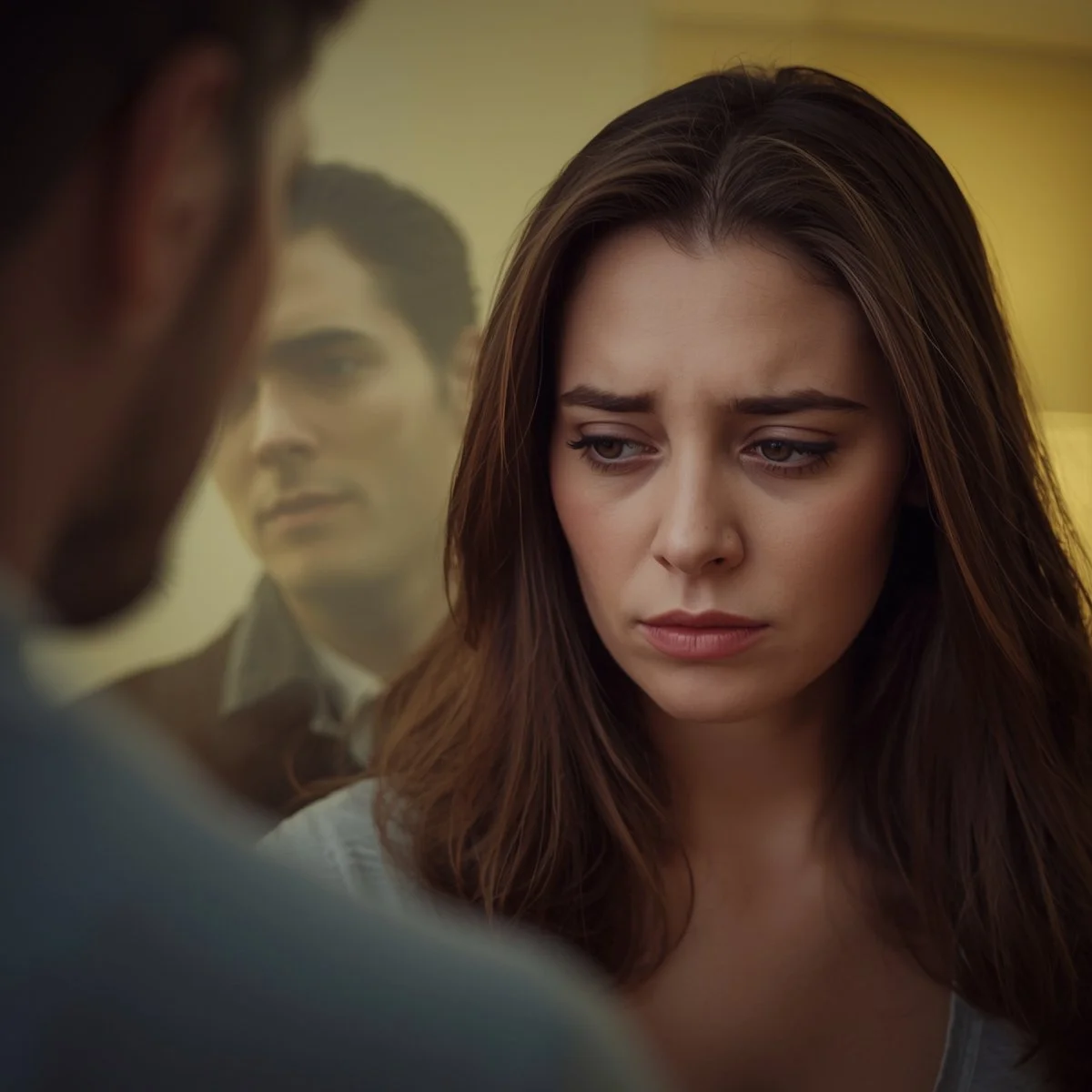
Your partner makes you coffee every morning. They remember to text when they're running late. They listen when you complain about work. But then you see her boyfriend plan a surprise weekend getaway. Or his wife posts about date night number three this month.
And suddenly, the coffee doesn't count anymore. Comparison doesn't storm in dramatically. It tiptoes. It whispers. It shows you a highlight reel and asks: "Why doesn't yours look like that?"
And gratitude? It quietly packs its bags.
The Lie We've All Bought
We think comparison is harmless, just noticing, just observing. But here's what actually happens:
You stop seeing what is.
You only see what isn't.
That trip your friends took? You don't know they fought the entire flight.
That couple who "never argue"? You're not in their house at 11 PM when the resentment surfaces.
That ex who "made you feel wanted"? Selective memory is a hell of a drug.
Comparison trades reality for fantasy. And fantasy always wins, because it doesn't have to be true.
The Great Sources of Comparison?
1. Social Media (The Obvious Villain)
This is a lie you voluntarily submit to when scrolling. Every anniversary post, every "my person" caption, every couple's vacation photo is designed to look effortless.
What you don't see:
The three takes to get the "candid" shot.
The fight they had right before dinner.
The fact that they're performing connection, not living it.
Research from the Journal of Social and Personal Relationships found that people who frequently compare their relationships to social media report lower satisfaction. Not because their relationship is worse, but because the comparison makes it feel worse (Muise et al., 2009).
You're not measuring your love against theirs. You're measuring your reality against their marketing.
2. The Ghost of Relationships Past
Sometimes the comparison isn't on your feed, it's in your memory.
"My ex used to surprise me."
"At least they made me laugh."
"Why can't you be more spontaneous?"
Here's the trick your brain plays: it romanticizes what's gone and minimizes what's here. You recall the good parts of your past relationship and compare them to the challenging aspects of your current one. That's not fair math. That's nostalgia doing PR work.
3. The Partner You Thought You'd Get
This one's brutal because there's no real person to blame. You're comparing your partner to the imagined version of them, the one who'd be more affectionate, more ambitious, more… something.
"I thought by now they'd..."
"I expected them to be different."
But they never auditioned for that role. You cast them in it without telling them the script.
What Comparison Actually Does
It doesn't just steal joy. It rewrites history. Suddenly, the things your partner does don't count. The small, daily acts of care become invisible. The effort they make gets dismissed because it doesn't match the version in your head.
Dr. John Gottman's research indicates that contempt, often stemming from chronic comparison, is one of the strongest predictors of divorce (The Gottman Institute).
Not because the relationship is failing. Because you've stopped seeing what's working.
"Gratitude says: Look what's here. Comparison says: Look what's missing.
They can't coexist."
Why Your Brain Won't Stop
Why do we keep comparing, even when it does more harm than good? Because for most, it's protection disguised as judgment. Your brain asks:
"Am I safe here?"
"Am I valued?"
"Is this relationship good enough?"
Those are legitimate questions. The only problem is that your brain is using terrible data to answer them.
It looks at:
Curated social media (fake)
Romanticized memories (incomplete)
Other people's private lives (unknowable)
And then decides your relationship is lacking something you can’t quite pinpoint.
How to Stop the Loop
You don't fix this by forcing gratitude or pretending everything's perfect. You fix it by getting honest about what comparison is actually covering up.
1. Call it out in real time
When you find yourself comparing. Call it out, don’t just let it sit.
"I'm comparing right now."
"I'm measuring them against something that doesn't exist."
Naming it breaks the spell.
2. Ask the real question
Comparison is almost always an unspoken need. And most times we tend to assume our partners should know our needs by default. Instead of communicating, by asking the questions that matter. Assuming may not be the best way to build a healthy relationship.
Instead of: "Why can't they be more romantic?"
Ask: "What do I actually need that I haven't said out loud?"
3. Fix your feed
If scrolling makes you feel worse about your relationship, that's not inspiration, that's emotional poisoning. Unfollow the accounts that make you feel "less than." Curate for honesty, not highlight reels.
4. Get specific with gratitude
The more specific you are with your gratitude, the more meaning it carries. Vague gratitude doesn't convey real meaning or proper emotions.
❌ "I'm grateful for my partner."
✅ "I'm grateful they text to check on me during my presentations."
Specificity trains your brain to see the real moments instead of hunting for the missing cinematic ones.
5. Understand their love language
Maybe they don't always post about you. But they fix your car without being asked. They remember your mom's surgery date. They show up quietly, consistently, without applause.
If you're measuring love in your language and they're speaking theirs, you'll miss it every time.
When Comparison Is Actually Information
Sometimes comparison isn't just noise. If you're constantly noticing unmet needs, that's worth exploring. If your partner dismisses you, refuses to grow, or makes you feel small, that's real.
The difference is:
Healthy awareness: "I need more quality time."
Toxic comparison: "Why can't you be like them?"
One opens dialogue. The other shuts it down.
The Transformation You Need
If comparison has quietly replaced gratitude in your relationship, you're not shallow. You're human, living in a world designed to make you feel like what you have isn't enough. The work isn't finding a better partner. It's learning to see the one you already have.
And if you need guidance reducing the influence of comparison, so you can see the beauty in your relationship again.