5 Ways to Recognize and Repair Communication Breakdowns in Your Relationship

When Communication Starts to Feel Harder Than It Should
Most communication breakdowns do not begin with explosive arguments. They begin with subtle disconnection. Shorter responses. More tension in tone. Fewer moments of feeling understood.
In couples therapy, many partners say:
“We keep talking about it, but nothing actually changes.”
If that feels familiar, you are not alone. Communication problems in relationships are one of the most common reasons couples seek virtual counseling. The encouraging truth is that communication is a learnable skill. With intention and the right structure, even long standing patterns can shift.

The Pattern Beneath the Problem
Communication breakdowns in relationships are rarely the result of a single difficult conversation. More often, they stem from a recurring communication pattern that develops between two people over time. What feels like “this argument” is usually part of a much larger emotional cycle.
For instance, a simple comment may trigger defensiveness, defensiveness can escalate into frustration, frustration often leads to withdrawal, and withdrawal reinforces the painful belief that “nothing ever gets through.” Over weeks, months, or even years, this relationship communication pattern becomes automatic. Partners stop responding only to what is happening in the present moment and start reacting to the emotional history attached to it.
As a result, tone begins to feel loaded with meaning. Silence can seem intentional and even neutral statements may carry unexpected emotional weight. These repeated cycles create relationship conflict patterns that feel deeply entrenched and difficult to change.

What makes this dynamic especially painful is that most partners are not trying to harm one another. In fact, they are often attempting to protect themselves, feel understood, or preserve emotional connection. Yet without recognizing it, these self-protective strategies can contribute to the very emotional distance they fear.
Recognizing unhealthy communication patterns is the turning point. When you can clearly identify the cycle driving your communication breakdown, you create the opportunity to interrupt it, shift your response, and begin building healthier patterns of connection.

1. Notice When You Are Reacting to Assumptions Instead of Reality
One of the earliest and most subtle signs of a communication breakdown in relationships is when assumption quietly replaces curiosity. Instead of staying present and asking for clarification, your mind begins filling in the gaps. You interpret tone, body language, or brief statements through the lens of past experiences rather than the current moment. Over time, this habit reinforces negative communication patterns, because you are no longer responding to what your partner actually said — you are reacting to what you believe they meant.
This often sounds like:
“You do not care.”
“You always do this.”
“I know what you are going to say.”

When assumptions take over, conversations narrow and defensiveness rises. Curiosity, on the other hand, expands the interaction and creates room for understanding. Assumptions shut dialogue down before it has a chance to unfold, while curiosity keeps emotional connection intact.
To interrupt this relationship communication pattern, slow the moment down and intentionally shift your response. You might say,
“I want to make sure I understand. Can you tell me more about what you meant?”
This simple but powerful adjustment reduces defensiveness and increases emotional safety. In relationship counseling, we consistently see that when curiosity re-enters the conversation, tension softens and couples are able to move out of reactive cycles and back toward constructive communication.
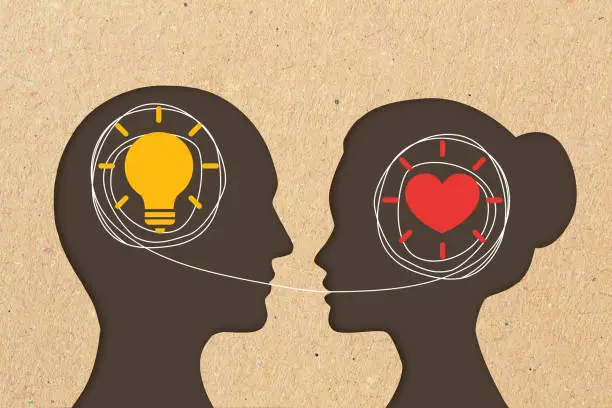
2. Recognize Emotional Flooding Before It Escalates Conflict
Even the strongest communication skills can quickly deteriorate when the nervous system becomes overwhelmed. Emotional flooding is a state of heightened physiological arousal which makes productive dialogue nearly impossible because the brain shifts into protection mode. When this happens, listening decreases, reactivity increases, and small misunderstandings can rapidly turn into larger relationship conflict. Recognizing the early signs of emotional flooding is essential for preventing communication breakdown and preserving emotional connection.
You may notice:
Your heart rate increases
You interrupt more often
You feel the urge to shut down
You replay arguments in your mind

In this state, conversations stop being about understanding and start being about self-protection. Words are chosen defensively, tone sharpens, and the goal subtly shifts from resolving the issue to winning, withdrawing, or avoiding discomfort altogether.
Repair begins with emotional regulation. Pausing a discussion is not avoidance when it is done with clarity and intention. An example of this may be, “I am feeling overwhelmed. Can we take 20 minutes and come back to this?” Creating structured space allows the nervous system to settle so that both partners can re-engage from a calmer place. Effective conflict resolution in relationships depends on mutual regulation, which is why relationship therapy often focuses on helping couples recognize flooding early and develop strategies that support calmer, safer conversations.
Before stepping away, agree on a specific time to return to the conversation. This reassures both partners that the pause is a tool for healthy communication, not a form of withdrawal and helps maintain trust while emotions settle.

3. Identify Unspoken Expectations That Create Resentment
Many communication problems in relationships stem from expectations that were never clearly expressed.
For example, one partner may feel loved through verbal affirmation. The other may show love through practical support. Both feel they are giving. Both feel unseen. When expectations remain unspoken, resentment builds quietly.
Instead of assuming your partner should know, try direct clarity:
“When I am stressed, reassurance really helps me.”
“Quality time makes me feel connected.”
“I need us to talk through conflict instead of avoiding it.”

Clear communication strengthens trust because it removes guesswork and replaces it with understanding. When partners learn to express their emotional needs directly, they reduce the likelihood of resentment silently accumulating beneath the surface. What once felt like repeated rejection or indifference often reveals itself to be a simple mismatch in unspoken expectations.
In couples counseling, I frequently see that when individuals begin clearly articulating what helps them feel supported, valued, and connected, recurring arguments lose their intensity. Conversations shift from blame to collaboration. Instead of fighting about whether someone “should have known,” partners can focus on responding to what is now clearly understood; transforming long-standing communication problems into practical, solvable conversations.

4. Pay Attention to Emotional Distance, Not Just Arguments
Not all communication breakdowns in relationships are loud or explosive. Some unfold quietly over time. While overt conflict is easier to identify, emotional distance in relationships can be just as significant and often more damaging, because it slowly erodes connection without drawing immediate attention.
Emotional withdrawal can look like:
Fewer meaningful conversations
Reduced physical affection
Avoiding vulnerable topics
Feeling more like roommates than partners
This kind of distance is rarely random. In many cases, it develops as a protective response. When someone repeatedly feels unheard, dismissed, or criticized, disengaging can feel safer than continuing to pursue connection. Over time, however, this coping strategy reinforces relationship disconnection and deepens the communication breakdown the couple is already experiencing. A powerful relationship repair strategy is to gently name the distance without assigning blame. For example,
“I feel like we have been less connected lately, and I miss you.”

Approaching the issue with vulnerability rather than accusation lowers defensiveness and invites emotional reconnection. When emotional distance continues to widen despite these efforts, seeking support through couples therapy or family counseling can help identify the underlying patterns and restore healthy communication.
“Distance is often a signal, not a solution. When you notice it, treat it as information about unmet needs, not evidence that the relationship is failing.”

5. Shift from Surface Arguments to Underlying Emotions
Many communication problems in relationships persist because couples focus on the surface content of the argument rather than the underlying emotion driving it. Disagreements about chores, finances, parenting, or time together often mask deeper attachment needs. When partners stay at the level of details, they may win points in the debate but still miss the emotional repair that creates lasting relationship change.
This is where Emotionally Focused Therapy (EFT) becomes especially effective in relationship counseling. Emotionally Focused Therapy, widely used in couples therapy, is grounded in attachment science and helps partners recognize the negative interaction cycle that keeps repeating. Instead of viewing conflict as a series of isolated disagreements, EFT frames it as a pattern fueled by unmet emotional needs and fears of disconnection.
For example:
Anger may be masking fear of losing connection.
Withdrawal may be masking fear of criticism.
Defensiveness may be masking shame.
Rather than debating who is right, EFT encourages partners to move toward vulnerability and emotional clarity:
“I felt scared when we argued because I need reassurance.”
“When I pulled away, I was overwhelmed and did not want to make things worse.”
As vulnerability replaces accusation, communication naturally softens and emotional safety increases. Partners begin to feel understood instead of judged, which restores a sense of security within the relationship. In virtual relationship therapy and in-person couples counseling alike, this shift from surface arguments to underlying emotions often marks a powerful turning point in rebuilding connection.

What Healthy Communication Feels Like
Healthy communication in relationships is not defined by the absence of disagreement; it is defined by responsiveness and emotional safety. Conflict is inevitable in any partnership, but in strong and secure relationships, communication remains grounded in mutual respect and a willingness to understand one another.
In strong, secure relationships both partners feel heard, even during conflict.
Repair happens after misunderstandings, vulnerability is met with care rather than criticism, and conflict becomes a path to understanding rather than distance.
Over time, this kind of healthy communication strengthens trust and deepens emotional connection. Conversations shift away from proving a point or winning an argument and move toward maintaining closeness, resolving misunderstandings, and reinforcing the sense that both partners are on the same team.
“The goal of communication is not to win the argument — it is to protect the connection.”

You Can Repair Communication and Rebuild Connection
If communication breakdowns are creating distance in your marriage, partnership, or family, meaningful change is possible. These patterns are common, and they are treatable.
Through structured relationship therapy, I help couples learn how to improve communication skills, regulate emotional reactions, resolve recurring conflict, and strengthen emotional intimacy.
You do not have to keep having the same argument. If you are ready to repair communication and build a more secure, connected relationship, reach out today to schedule a confidential virtual counseling session. Support is available, and lasting change can begin now.